
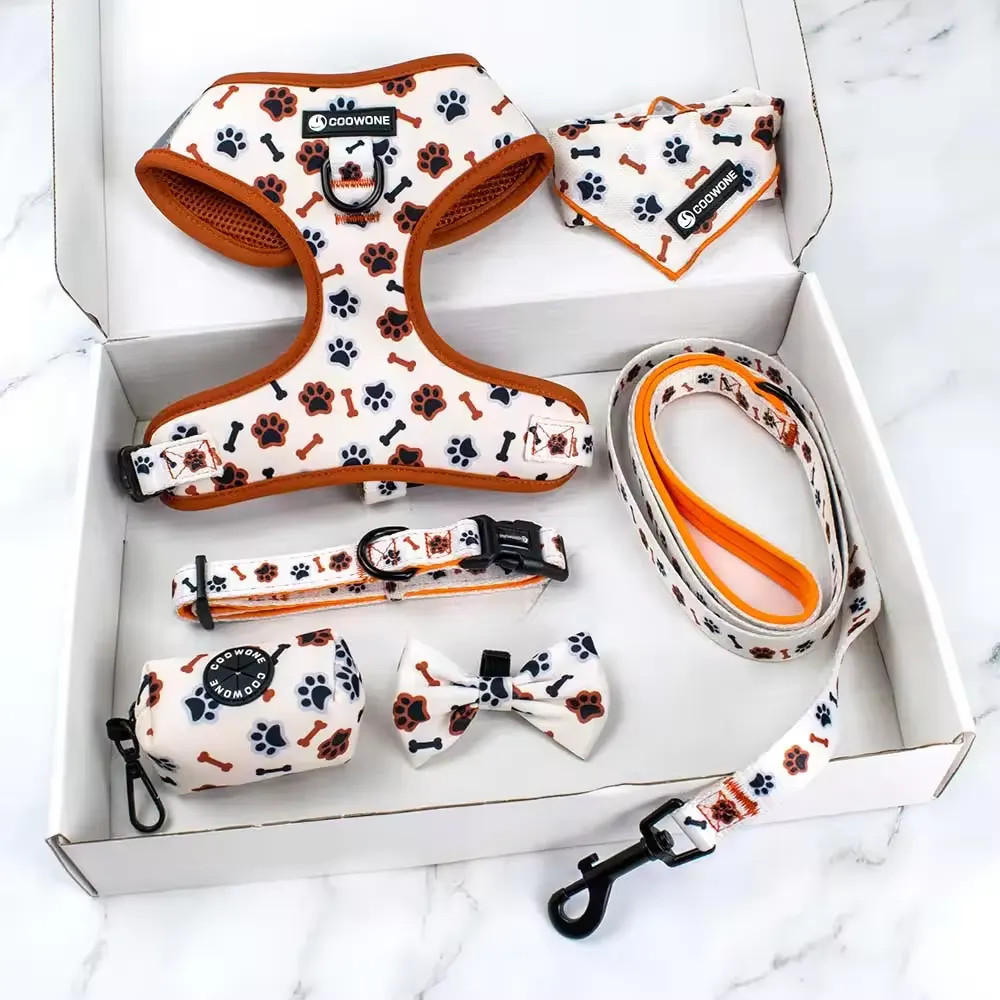
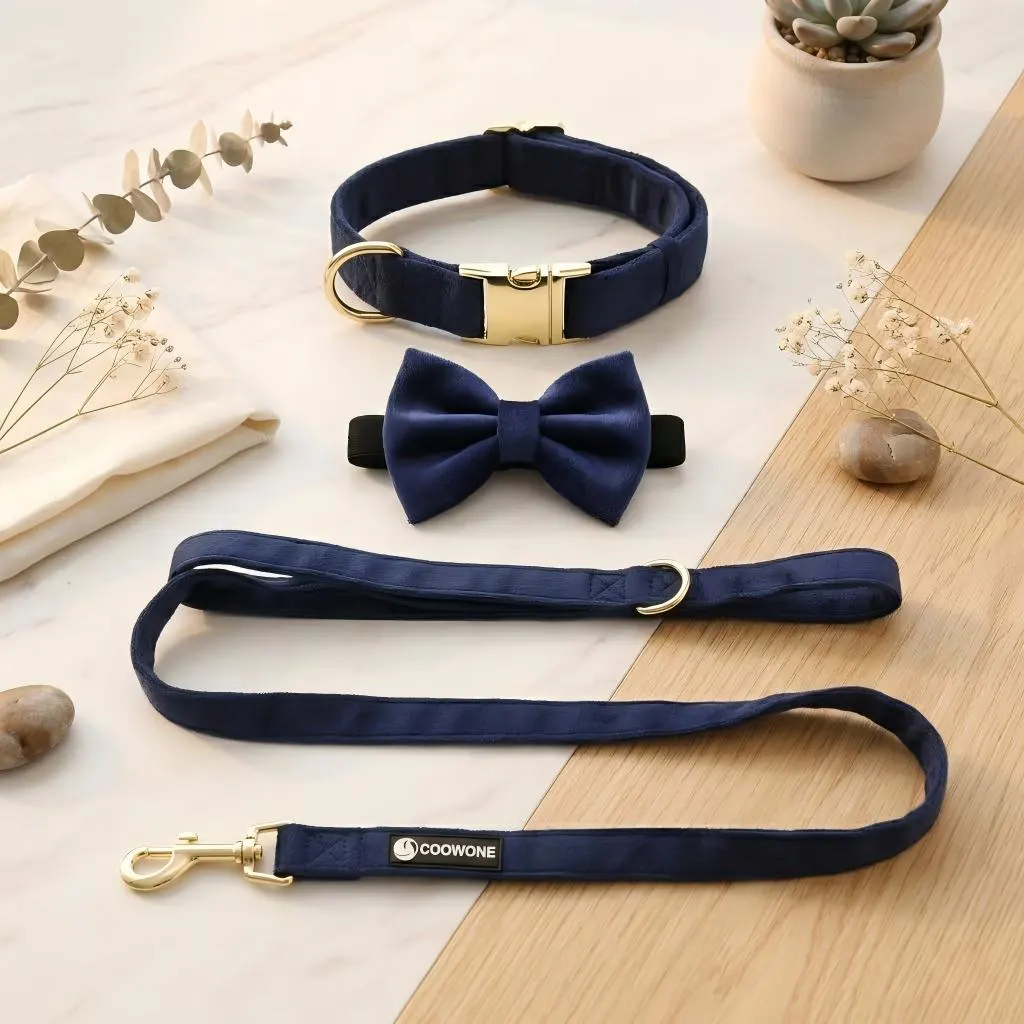
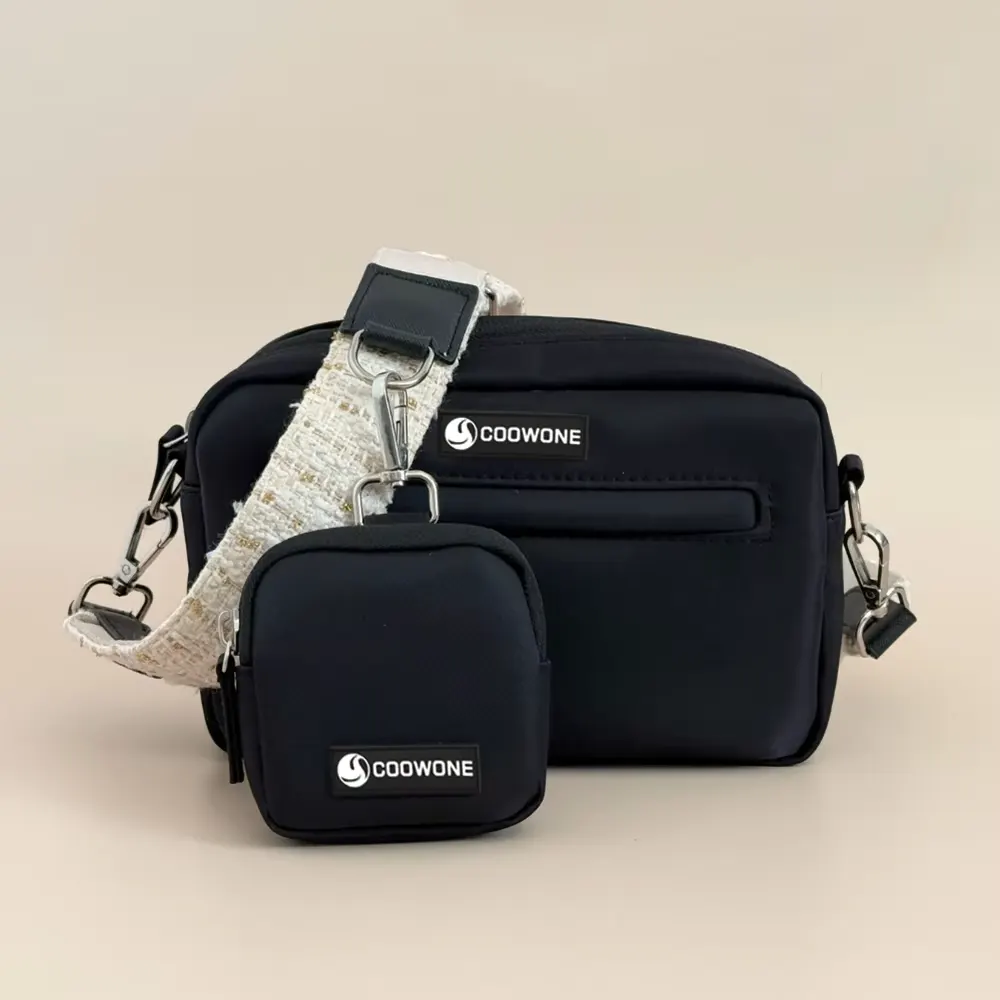
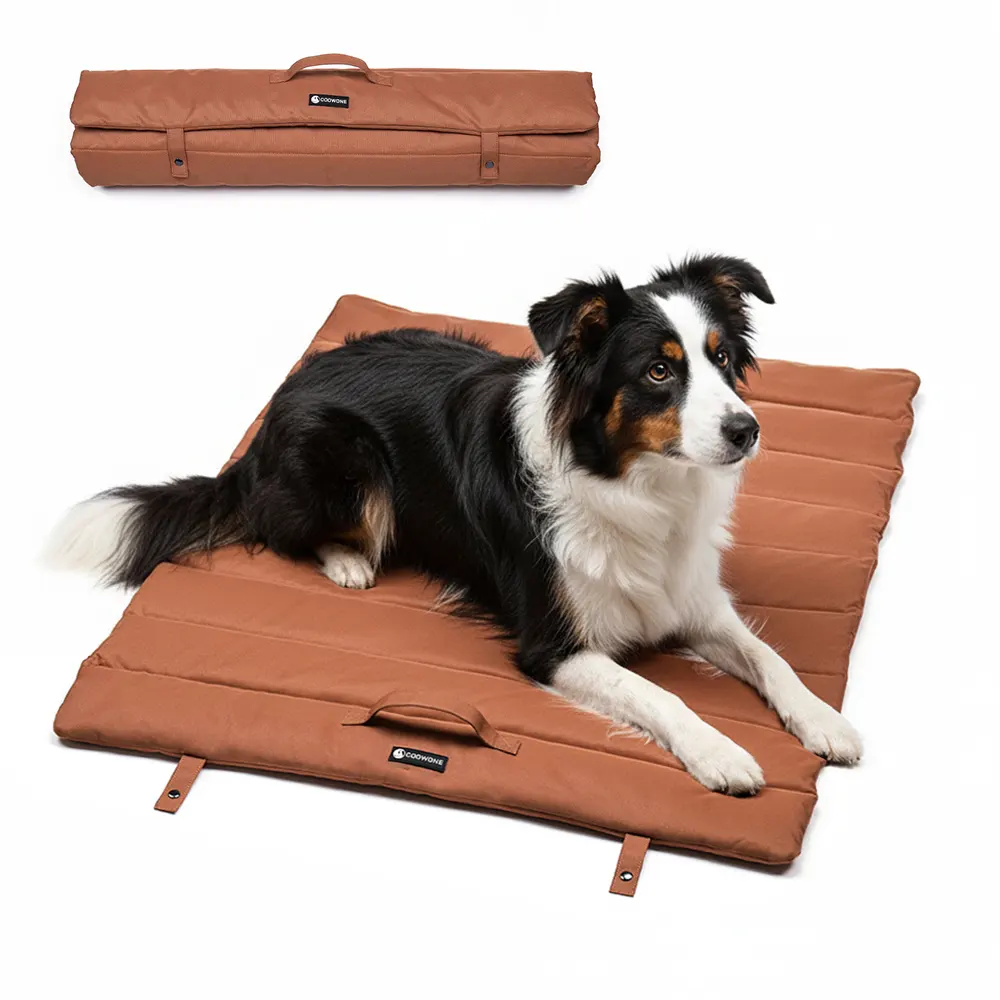
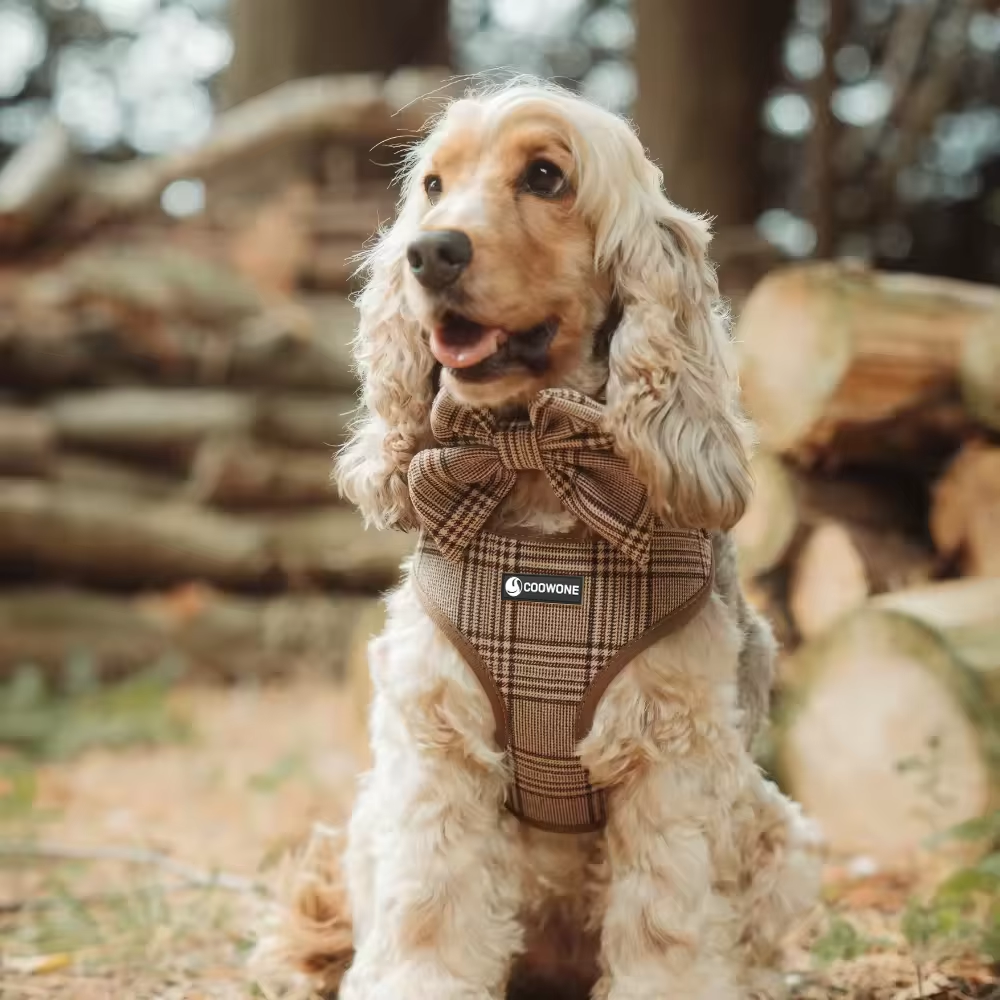
Der globale Markt für Haustierzubehör erlebt ein explosionsartiges Wachstum, und im Segment der Hundeauslaufausrüstung, no-pull dog harnesses have emerged as a high-demand, high-margin category. Für Haustiermarken, independent retailers, and e-commerce sellers, adding wholesale no-pull harnesses to your product line is no longer optional—it is a strategic necessity. Als engagierter pet products manufacturer with ISO9001, BSCI, CE, and SGS certifications, Dongguan Coowone Outdoor Products Co., Ltd. has partnered with over 500 global brands to bring effective, humanely designed no-pull solutions to market. This comprehensive guide covers everything wholesalers must know to source, anpassen, and successfully retail no-pull harnesses in 2026 and beyond.
1. Understanding the No-Pull Harness Market Opportunity
Traditional collars and basic harnesses often exacerbate pulling behavior by giving dogs leverage against the handler. No-pull harnesses solve this through front-clip, Martingale-style, or dual-clip designs that redirect a dog’s momentum sideways or back toward the owner, eliminating the forward reward of pulling.
Demand is driven by three macro trends:
- Positive Reinforcement Training Dominance: Modern canine behaviorists overwhelmingly recommend force-free tools. No-pull harnesses align with this philosophy, avoiding the pain and airway damage associated with prong or choke collars.
- Humanization of Pets: Owners increasingly view pet gear as parenting equipment. They demand products that are safe, effective, and ergonomically sophisticated.
- Veterinary Endorsements: Vets and trainers frequently recommend no-pull harnesses for brachycephalic breeds (z.B., Pugs, French Bulldogs), senior dogs, and recovering surgical patients who are at risk from collar pressure.
For B2B buyers, this translates to lower return rates, higher customer loyalty, and stronger word-of-mouth marketing once the product delivers results.
2. Anatomy of an Effective No-Pull Harness
When evaluating no-pull harnesses for wholesale import, technical design separates best-in-class products from gimmicks. Here are the critical components:
A. Front & Back Dual Leash Attachment Points
A high-quality no-pull harness features both a front chest D-ring and a rear back D-ring. The front clip is the primary no-pull mechanism, while the back clip allows normal walking once the dog has learned leash manners. When sourcing, ensure the manufacturer uses reinforced stitching bar-tacks at these stress points, as they endure the highest dynamic load. BeiCoowone, our harnesses undergo 250+ lb pull-strength testing at every attachment point, preventing catastrophic failures in the field.
B. Martingale-Style Chest Strap
A limited-slip chest loop gently tightens when the dog pulls, distributing pressure across the torso rather than the trachea. The key is limitation—it should not cinch like a noose. The loop must be constructed from heavy-duty nylon webbing with a sliding keeper that prevents over-tightening. Verify that your manufacturer offers adjustable sizing here; poorly fitted Martingale systems are the leading cause of customer returns in this category.
C. Polsterung & Ergonomic Fit
No-pull functionality is irrelevant if the harness causes chafing. Look for:
- Neoprene or memory foam chest plates that absorb pressure without retaining excessive heat.
- Adjustable girth and neck straps with quick-release buckles, accommodating dogs with deep chests or broad shoulders.
- Reflective trim for twilight visibility, a feature that significantly increases perceived value.
Unsercustom dog harness manufacturing services allow you to specify padding thickness, webbing width, and hardware finishes to match your target demographic.
D. Durable, Non-Corrosive Hardware
Zinc alloy buckles may fail under sudden force or corrode in humid climates. Insist on aircraft-grade aluminum or stainless-steel D-rings and side-release buckles. The cost difference is negligible at scale but the durability differential is enormous.
3. Sourcing No-Pull Harnesses: The B2B Buyer’s Checklist
Wholesale success depends on choosing a manufacturing partner aligned with your quality and scalability goals. Before placing bulk orders, complete this evaluation:
Certification Verification
- Demand ISO9001 quality management and BSCI ethical compliance documentation.
- For North American markets, insist on CPSIA-compliant materials (lead and phthalate-free).
- European buyers require CE marking and REACH SVHC testing to prevent customs seizures. A compliant partner provides third-party lab reports (SGS, Intertek) without delay.
Factory Capability Assessment
- In-house prototyping: Can the factory produce a physical sample in under 10 Tage? Rapid iteration is essential for testing fit across breeds.
- Material traceability: The supplier should maintain Material Safety Data Sheets (MSDS) for all webbing, dyes, and hardware platings.
- MOQ-Flexibilität: Startups need the ability to test with 500–1,000 units. Unserlow-MOQ private label programs are designed precisely for emerging brands.
Quality Control Infrastructure
No-pull harnesses are safety equipment. Sub-par stitching or faulty buckles can cause a dog to bolt into traffic. Ensure your manufacturer implements:
- 100% incoming material inspection for tensile strength and colorfastness.
- In-process spot checks during cutting, Nähen, and hardware attachment.
- Pre-shipment random sampling with documented pull tests. We provide full transparency at every QC checkpoint.
4. Customization and Branding Strategies
No-pull harnesses are highly brandable. The emotional bond between owner and dog means buyers are willing to pay 30–50% premiums for aesthetically differentiated, trusted brands.
Logo Application Methods
- TPU-Gummiflicken: Durable, weather-resistant, and perfect for complex, multi-color logos. Ideal for outdoor and tactical positioning.
- Woven Jacquard Labels: Soft against the fur, conveying heritage and craftsmanship. Best for boutique and hypoallergenic-focused lines.
- Laser Engraved Hardware: Subtle, permanent branding on aluminum buckles. High-end and impossible to wear off.
Unserbranding customization options include all three methods, allowing you to create a cohesive brand identity across webbing color, hardware finish, und Verpackung.
Color Psychology & Market Positioning
- Tactical/Working Dog Segment: Olive, coyote tan, and black with MOLLE webbing appeal to K9 handlers and outdoor enthusiasts.
- Urban Fashion Segment: Pastel palettes, vegan leather accents, and rose-gold hardware target millennial and Gen-Z owners.
- Medical/Rehabilitation Segment: High-visibility neon with reflective strips appeals to veterinary professionals and senior dog caretakers.
5. Pricing Dynamics and Margin Optimization
No-pull harnesses command wholesale landed costs between 4.50–4.50–12.00 per unit, depending on material complexity and order volume. Retail prices typically range from 24.99��24.99to69.99.
To maximize margins:
- Bundle with complementary products: Pair no-pull harnesses with matching leashes, poop bag dispensers, or treat pouches. Bundled kits increase average order value (AOV) by 40–60% while reducing per-unit shipping costs.
- Offer size-specific SKUs: Dogs vary dramatically in torso dimensions. Providing a clear size chart with five or more increments reduces fit-related returns by over 25%.
- Invest in instructional content: Include a QR-coded card linking to a video on proper fitting and no-pull training techniques. This reduces negative reviews caused by user error and positions your brand as an authority.
6. Compliance and Safety: Non-Negotiables
Beyond standard CPSIA and REACH requirements, no-pull harnesses present unique safety considerations:
- Torso Pressure Limits: The harness must never apply concentrated force to the axillary (armpit) region, where lymph nodes and nerves are vulnerable. Proper padding distribution is critical.
- Escape Risk: Front-clip designs can twist if the chest strap is too loose. Include clear fitting instructions and a “two-finger rule” (space between strap and body) in your packaging.
- Weather Resistance: Materials must withstand UV degradation, saltwater corrosion, and sub-zero temperatures if marketed for outdoor use. Specify solution-dyed nylon and marine-grade hardware in your OEM technical pack.
7. Marketing Narratives That Drive B2B Sales
When selling to retailers or end consumers, emphasize these value propositions:
- Vet Recommended: If you have veterinary endorsements, feature them prominently.
- Training Integration: Position the harness as a training tool, not just walking gear. Partner with certified dog trainers for affiliate or co-branded campaigns.
- Breed-Specific Sizing: Market fit guides for notoriously difficult breeds (z.B., Greyhounds, Dachshunds, Bulldogs) to capture niche audiences.
Abschluss
The no-pull dog harness segment rewards importers who prioritize engineering, ethical manufacturing, and brand storytelling. By partnering with a vertically integrated factory like Coowone, you gain access to certified materials, rapid prototyping, and comprehensive OEM/ODM support that de-risks your supply chain from day one. Whether you are launching a premium tactical line or an accessible everyday brand, the technical and commercial foundations outlined in this guide will ensure your no-pull harnesses meet market demand and exceed customer expectations.
Ready to add no-pull harnesses to your catalog? Request a sample pack and detailed quotation tailored to your brand specifications today.