
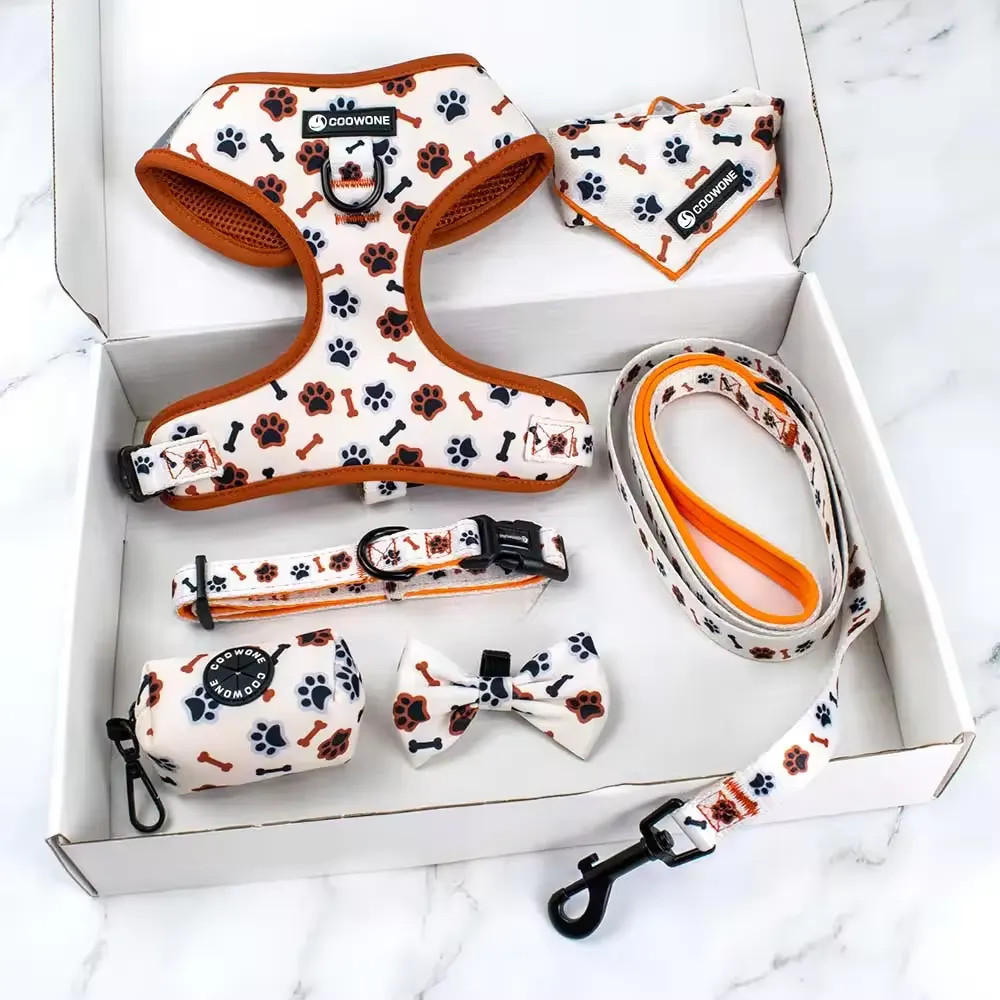
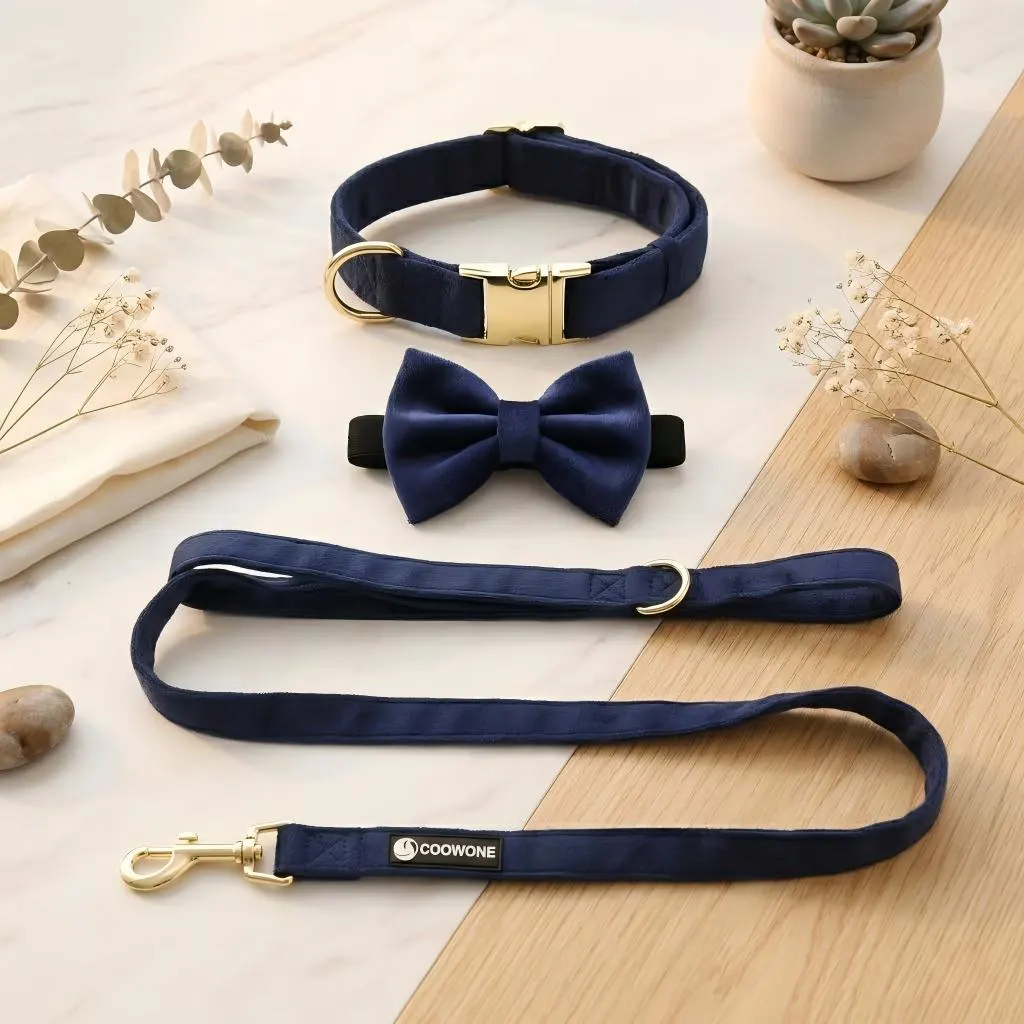
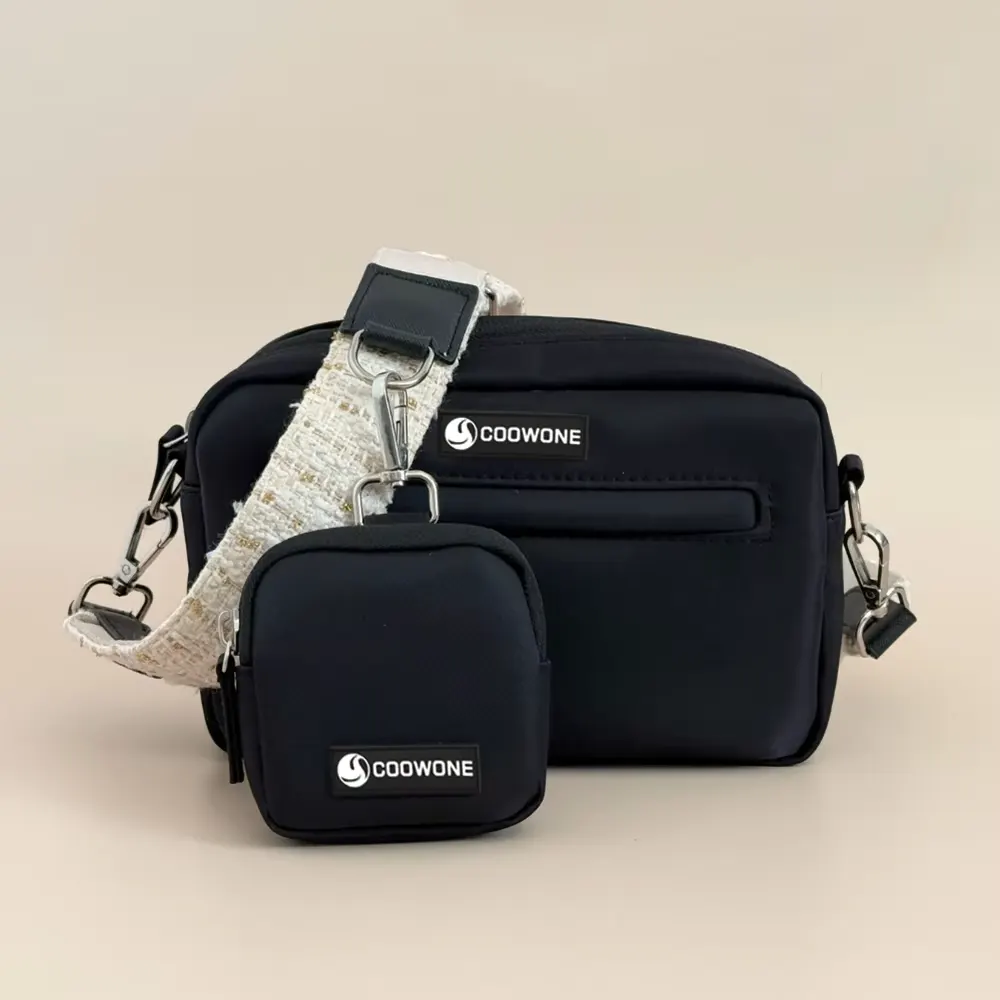
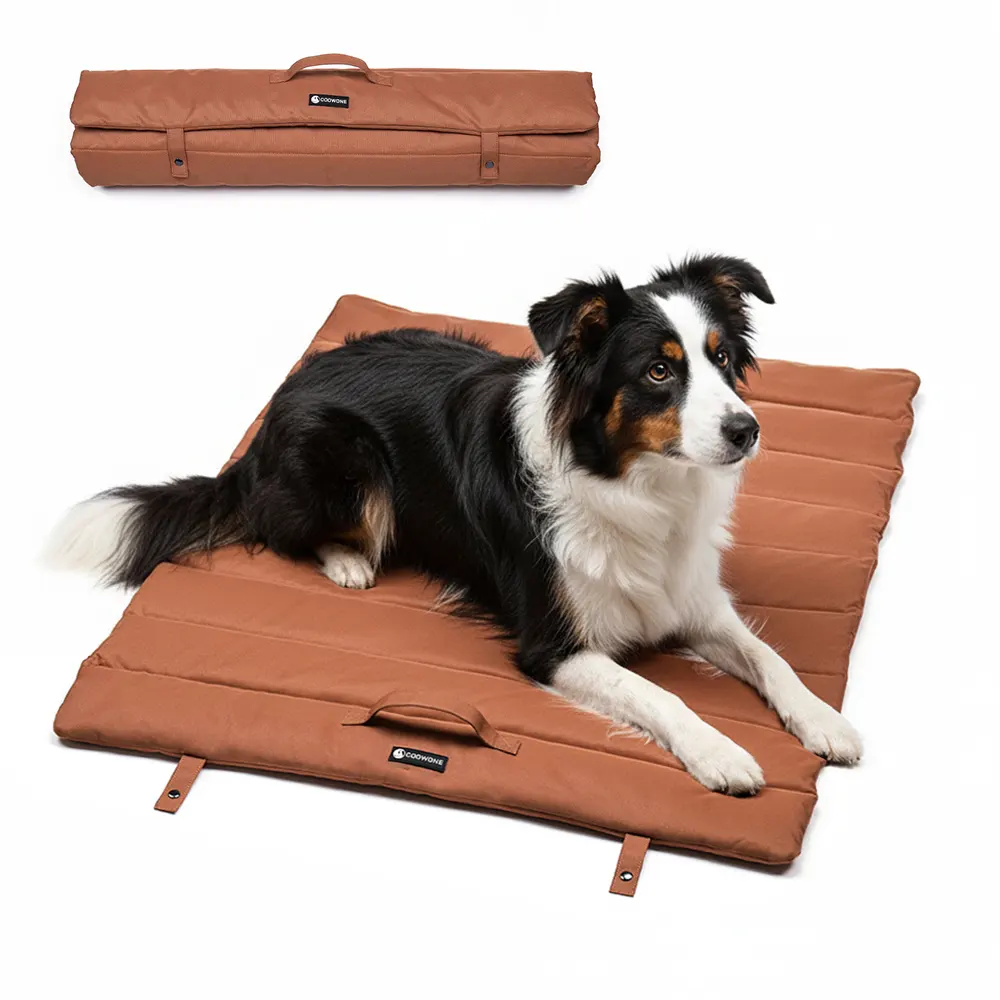
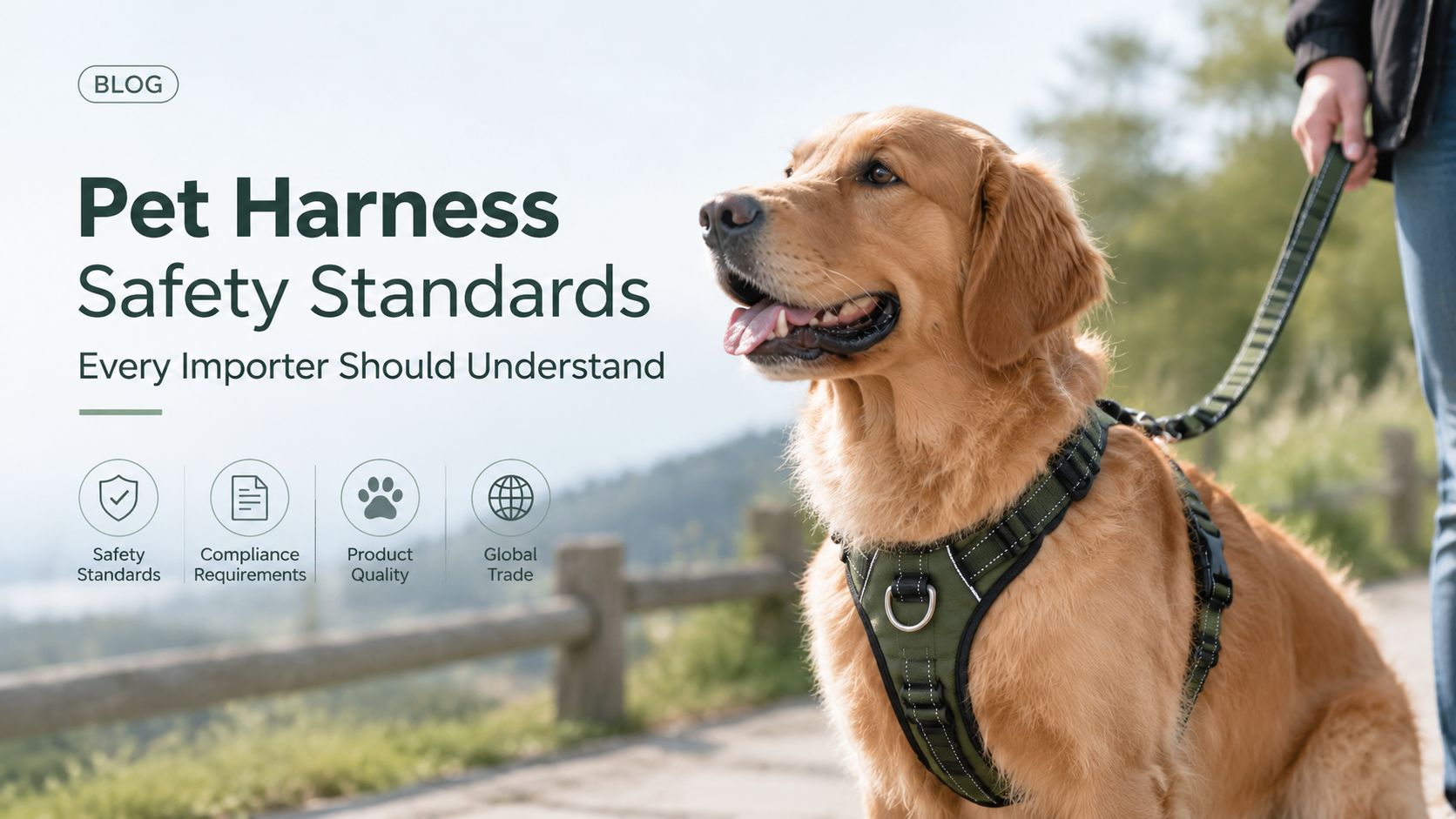
Dans le domaine des harnais pour animaux de compagnie, safety is not a marketing feature—it’s the foundation of your brand, votre responsabilité, and your compliance. For importers, navigating the complex web of global safety standards is non-negotiable. A harness failure can lead to injury, legal liability, and irreparable brand damage. En tant que fabricant avec ISO9001, BSCI, CE, and a comprehensive SGS testing framework, Produits d'extérieur Cie. de Dongguan Coowone., Ltée. demystifies the critical safety standards you must understand and verify before your next import.
Partie 1: The Non-Negotiable Global Safety Imperative
Ignorance of standards is not a defense. Regulatory bodies, détaillants, and consumers demand proof of safety compliance. Your responsibility as an importer extends through the entire supply chain.
- Legal Liability & Recalls: If a product fails and causes harm, the importer (your brand) is held legally responsible in most jurisdictions, not the overseas manufacturer. Non-compliance can trigger mandatory recalls, fines, and lawsuits.
- Market Access: Major markets like the USA (CPSIA), EU (CE/REACH), et l'Australie (AS) have mandatory regulations. Without the correct certifications and documentation, your products will be seized at customs, denied shelf space, or removed from online marketplaces like Amazon.
- Brand Trust: Modern consumers actively research product safety. Displaying recognized safety marks (like CE) on your product and marketing materials is a powerful trust signal that justifies premium pricing.
Partie 2: Decoding the Key Safety Standards by Region
Standards can be categorized by type: Chemical Safety, Mechanical Safety, and Electrical Safety (for smart harnesses). Here’s a region-specific breakdown:
UN. Amérique du Nord (USA & Canada)
- CPSIA (Consumer Product Safety Improvement Act):
- What it Covers: Primarily chemical safety for children’s products (12 and under). Since pet products are often treated with similar scrutiny, CPSIA compliance is now the baseline expectation for all pet harnesses, laisses, and soft carriers.
- Key Requirements: Strict limits for Lead (≤ 100 ppm), Phthalates (≤ 0.1% for certain types), and requires tracking labels.
- Verification: You must receive a General Certificate of Conformity (GCC) or a Children’s Product Certificate (CPC) from your manufacturer for each product. Always demand the corresponding third-party lab test report (par ex., from SGS, Intertek).
- General Product Safety Guidelines (ASTM F2548):
- What it Covers: This is a voluntary standard that has become a de facto industry benchmark for dog harnesses and restraints. It defines safety requirements for hardware, fabric strength, and overall performance.
- Key Requirements: Includes dynamic and static strength tests (par ex., a force test on buckles and D-rings), construction checks (no sharp edges), and warnings labeling. Smart importers specify ASTM F2548 testing in their contrôle de qualité requirements as a benchmark for mechanical durability.
B. European Union
- CE Marking:
- What it Covers: The CE mark indicates a product meets the EU’s health, sécurité, and environmental protection requirements. For pet harnesses, the General Product Safety Directive (GPSD) typically applies. This is a self-declaration by the manufacturer, but it must be backed by a Technical File.
- Key Requirements: The manufacturer must conduct a risk assessment, maintain a technical file, and issue an EU Declaration of Conformity. While less prescriptive than some US rules, the liability for a safe product is high.
- ATTEINDRE (Registration, Evaluation, Authorisation and Restriction of Chemicals):
- What it Covers: This is crucial for chemical safety. It restricts the use of specific hazardous substances (SVHCs) in all consumer goods, including pet products.
- Key Requirements: The current list contains over 200 substances. Importers must ensure their products contain no restricted SVHCs above the 0.1% weight threshold in any component. Manufacturers like COOWONE provide SGS or equivalent test reports for REACH compliance for the materials used.
C. Global & Retailer-Specific Standards
- Amazone & Major Retailer Requirements (Costco, Walmart, Petco, etc.):
- These retailers often have their own, sometimes stricter, “Restricted Substances Lists (RSLs)» and require specific testing protocols. They may ask for CPSIA and ASTM testing reports before listing your products. Letop questions B2B buyers ask always include documentation for retailer compliance.
Partie 3: From Standards to Action: The Importer’s Safety Checklist
Understanding the rules is one thing; verifying compliance is another. Implement this checklist for every order:
- Request & Verify Certificates: Do not accept a simple “we are compliant” statement. Demand copies of the actual test reports (CPSIA, ATTEINDRE, ASTM F2548) from a reputable third-party lab (SGS, Intertek, TÜV). Cross-check the product description and date on the report against your specific order.
- Audit the Manufacturer’s In-House QC: A standard is only as good as the quality control enforcing it. During a pre-order factory audit, ask to see:
- Their Material Safety Data Sheets (MSDS) for all fabrics, dyes, and hardware coatings.
- Their in-house testing equipment (par ex., tensile strength testers, buckle pull testers).
- Their documented inspection procedures for stitching, buckle attachment, and D-ring integrity.
- Specify Testing in Your Purchase Order (PO): Make it contractual. A clause such as, “All products must comply with CPSIA and REACH regulations and pass a pull-strength test of 250 lbs minimum. The supplier will provide all relevant test reports prior to shipment.” shifts the burden of proof squarely onto the manufacturer.
- Conduct Pre-Shipment Inspections: Hire a third-party inspection service to pull random samples from the production batch and perform an on-site quality check. This should include visual inspections for sharp edges and a basic strength test.
Partie 4: Common Safety-Related Failures & How to Prevent Them
Awareness of common failures informs better preventative sourcing:
- Buckle/D-Ring Failure: Weak or poorly molded metal hardware snaps under stress.
- Prevention: Source from reputable hardware suppliers (par ex., YKK, Woojin, UTX), demand material certificates, and specify pull-strength testing on every batch.
- Stitching/Seam Rupture: Poor thread quality or insufficient stitch density causes seams to unravel.
- Prevention: Specify bonded nylon thread and a stitch-per-inch (SPI) count. Celui de votre fabricant strict quality control from raw material to final packaging should include seam strength tests.
- Chemical Hazard: Presence of lead, phthalates, or AZO dyes above legal limits.
- Prevention: Mandate that all components—fabric, webbing, plastic, métal, and dyes—are certified compliant via test reports. Never assume a material is safe.
Conclusion: Safety is Your Business Advantage
Understanding and enforcing pet harness safety standards is your primary risk management strategy. It transforms a potential liability into a concrete brand asset. En s'associant à un fabricant comme COOWONE that not only understands but integrates compliance into its core production process, you gain more than a supplier—you gain a guardian of your brand’s reputation.
We treat safety as our first principle, embedding it into our OEM production process and transparently providing all necessary documentation. This allows you to import with confidence, sell with authority, and build a brand founded on the well-being of the pets you serve.
Ready to source with confidence? Contact us today to discuss your specific market requirements and receive a compliance roadmap for your next pet harness order.