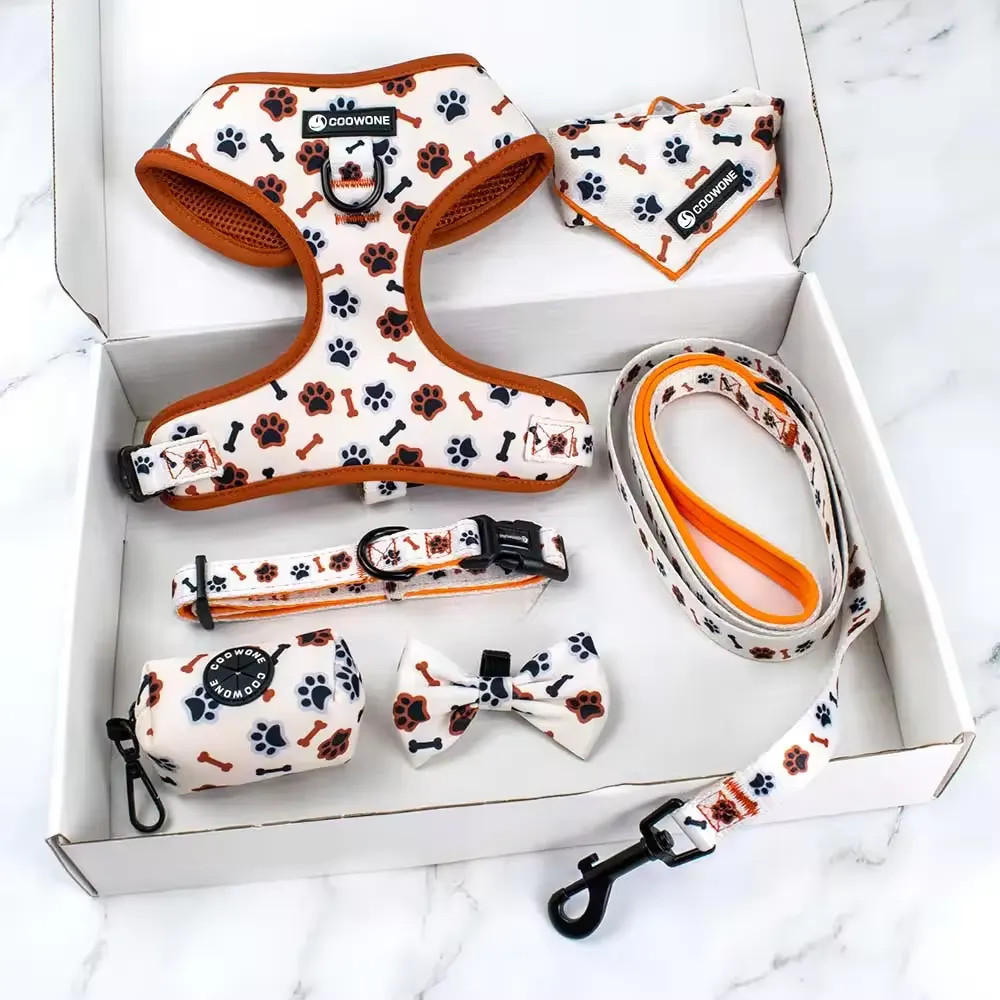
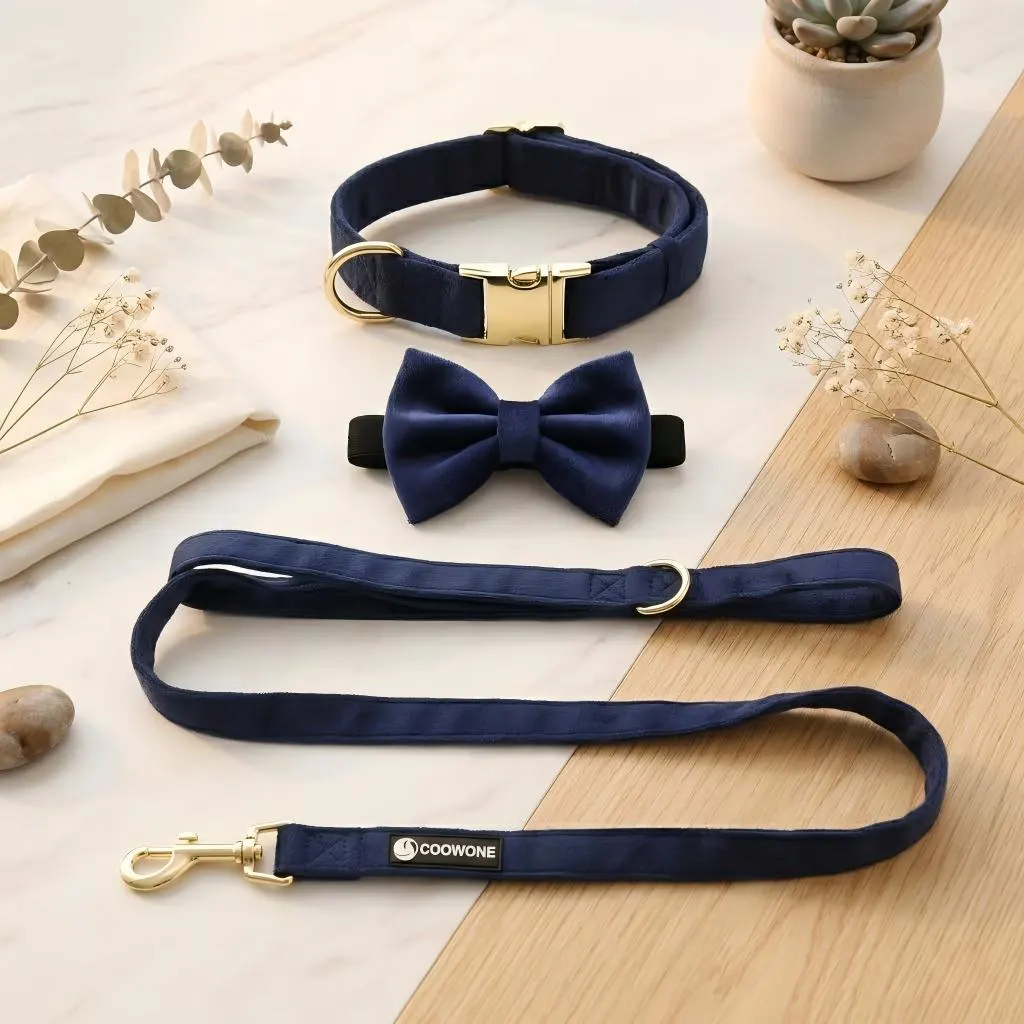
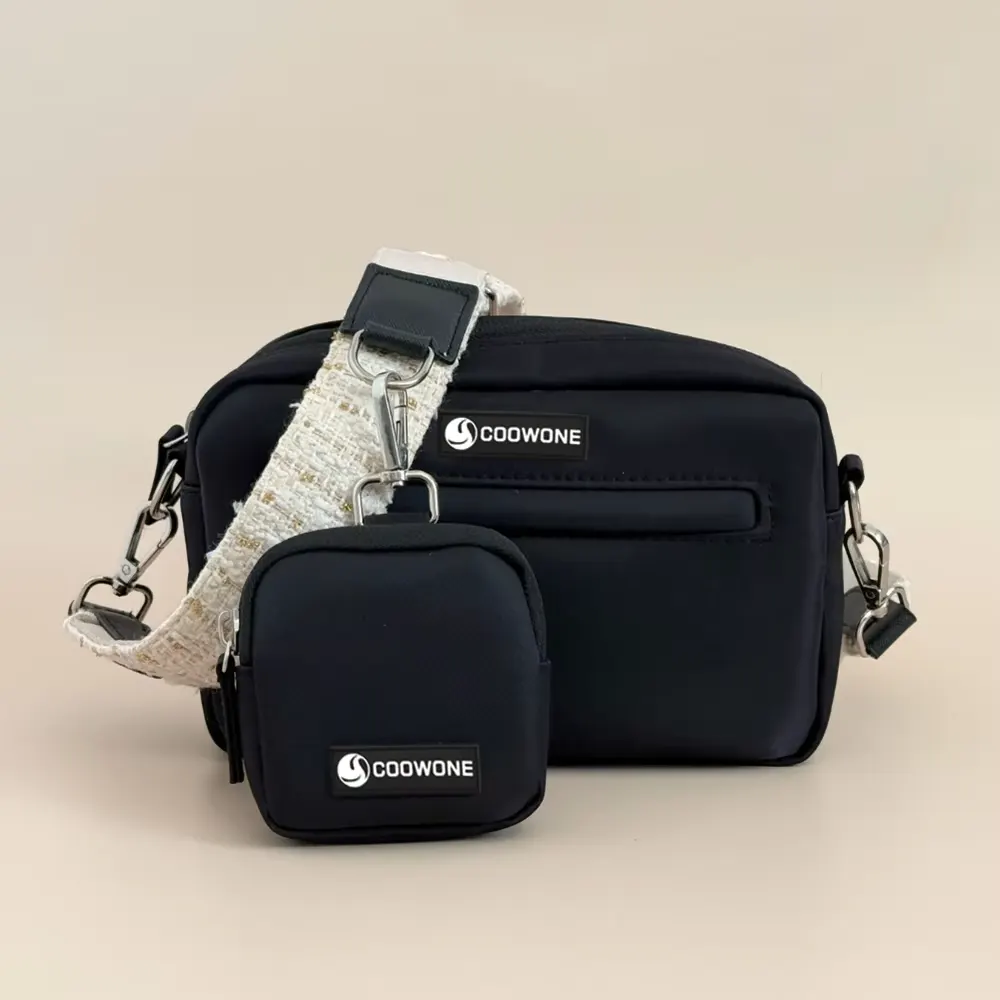
O mercado de acessórios para animais de estimação está saturado de produtos indiferenciados que competem por vantagens incrementais de preço e visibilidade algorítmica. A premium brand cannot be constructed on these terms. Premium positioning requires a deliberate architecture of product distinctiveness, narrative coherence, aesthetic authority, and material truth that elevates the brand above commodity comparison. Private label manufacturing is the vehicle through which this architecture is built, because it grants the brand exclusive control over design, material specification, quality enforcement, and storytelling in ways that reselling third-party products cannot replicate. Dongguan Coowone produtos ao ar livre Co., Ltda. supports premium private-label programs for emerging and established brands across custom pet accessories, dog harness sets, and travel product lines. This guide maps the strategic and tactical dimensions of building a premium pet accessories brand through private label production.
Defining Premium in Pet Accessories
Premium is not merely expensive. It is a value proposition constructed around material authenticity, design intention, and experiential reward.
Material Authenticity
Premium brands specify materials that deliver measurable performance advantages. A harness made with BioThane-coated webbing offers water resistance, odor resistance, and a tactile refinement that standard nylon webbing cannot replicate. A carrier lined with merino wool regulates temperature, resists bacterial odor accumulation, and communicates textile sophistication. These material choices are not decorative—they are functional, and their functional superiority justifies the price architecture.
Design Intention
Premium products reveal design thinking at every decision point. Adjustment mechanism placement follows ergonomic logic rather than manufacturing convenience. Stitching density reflects structural engineering rather than cost minimization. Hardware selection balances weight, strength, and finish in proportions that signal refinement. The customer cannot always articulate these design choices, but they feel the difference when comparing a premium harness to a mass-market alternative.
Experiential Reward
Premium positioning extends beyond the product to the unboxing, the documentation, the customer service, and the community. Each touchpoint must reinforce the brand’s commitment to excellence. A product arriving in a branded box with tissue wrapping, a care booklet printed on heavy stock, and a handwritten quality-assurance note transforms a transaction into a relationship moment.
Brand Architecture: The Foundation Before Product
A common failure in private-label brand building is beginning with product design before the brand itself is defined. The brand identity must be established first because it dictates every downstream decision.
Brand Positioning Statement
Write a single paragraph that defines the brand’s target customer, the problem it solves, the unique approach it takes, and the emotional outcome it delivers. Example: “Peak Paw is a premium pet travel brand for urban professionals who refuse to compromise their aesthetic standards when traveling with their dogs. We engineer carriers, arreios, and travel accessories that perform flawlessly in airports, hotels, and cafés while maintaining the visual language of high-end luggage.”
With this positioning, material choices, color palettes, retail channels, and marketing content follow logically. Without it, product decisions become arbitrary.
Visual Identity System
The brand requires a logo, color palette, typography, photography style, and packaging hierarchy before any product is manufactured. The visual identity should be authored by a professional designer with experience in lifestyle or fashion brands rather than generic product design. The visual identity document becomes the manufacturing Bible that ensures consistency across product lines, embalagem, web presence, and social content.
Voice and Tone
Premium brands speak with authority, restraint, and specificity. Copy should avoid superlatives, exclamation points, and vague claims like “the best harness ever.” Em vez de, it should communicate engineering details, material provenance, and performance data. “This harness is constructed with 2,000-denier nylon webbing and stainless steel hardware rated to 250 pounds tensile strength” is premium language. “Super strong and comfy for your fur baby” is not.
Product as Brand Expression
Each SKU must embody the brand positioning.
Core Assortment Discipline
Start with a minimum viable assortment that communicates the brand identity clearly rather than a bloated catalog that dilutes it. A sensible launch for a premium harness brand includes:
- One foundational harness in three sizes.
- One matching leash.
- One training accessory (treat pouch or training lead).
This four-SKU launch is manageable, financially contained, and sufficient to establish brand identity. Extending to twenty SKUs before market validation disperses focus and capital.
Design Language Consistency
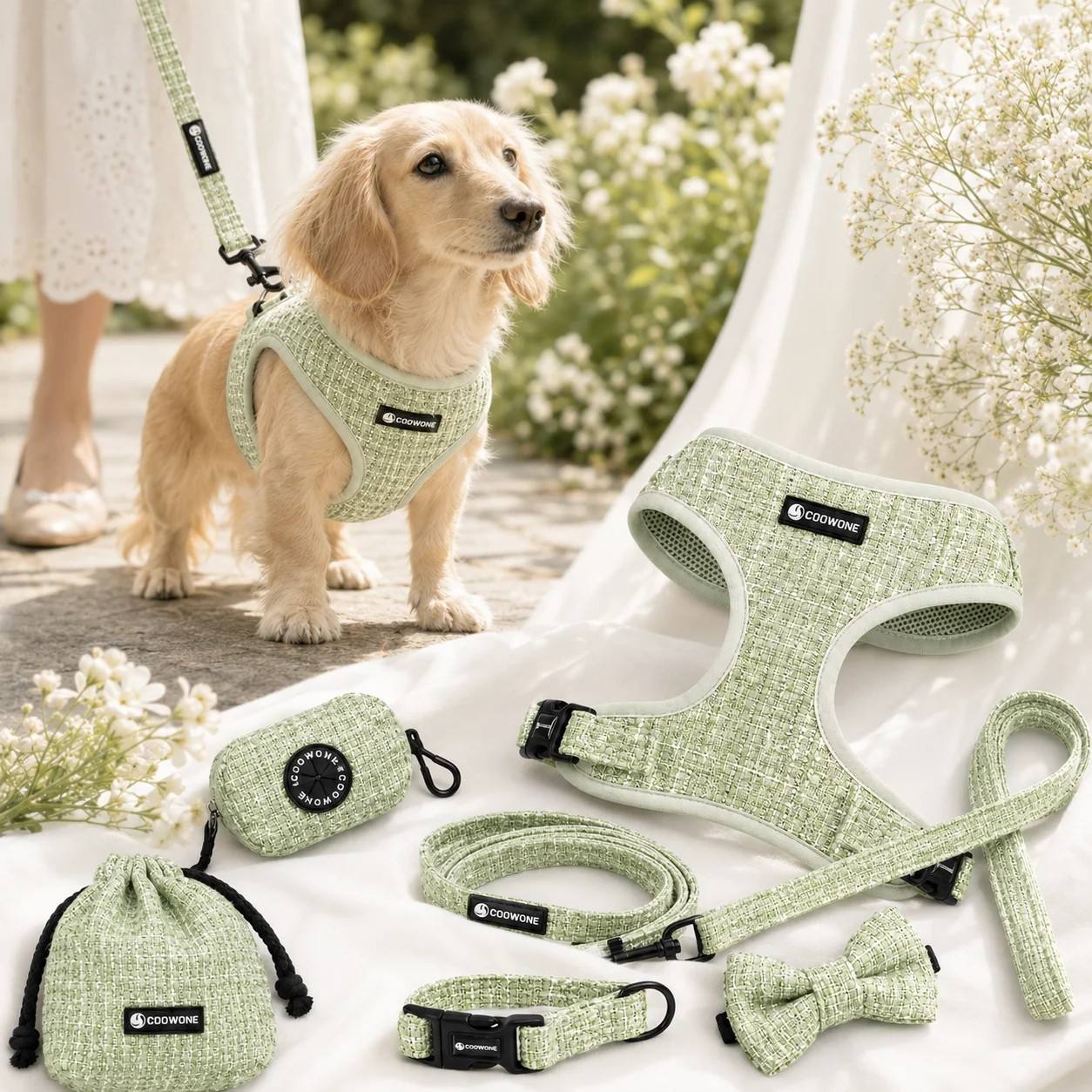
All products must share visual genes: consistent hardware finish, consistent webbing width and texture, consistent logo placement, and consistent color vocabulary. The customer should recognize a product as belonging to your brand before seeing the logo. Coowone enforces design language consistency across private-label custom pet accessories programs through locked specification standards.
Material Selection as Positioning
The materials chosen for your private-label products are brand statements:
- Waxed canvas signals heritage, craftsmanship, and outdoor authenticity.
- Full-grain leather signals luxury, permanence, and artisan tradition.
- Recycled ocean-bound plastic signals environmental consciousness and modern responsibility.
- Tactical nylon with MOLLE webbing signals utility, preparation, and professional-grade function.
The material palette must be coherent. Mixing full-grain leather with recycled plastic without a deliberate design narrative creates confusion rather than sophistication.
Private Label Manufacturing Partnership
The manufacturing partner determines whether the brand vision survives the transition from design to physical object.
Technical Capability Assessment
Premium products often require manufacturing processes that general pet-product factories cannot execute. Evaluate the partner on:
- Material handling: Experience with leather, coated textiles, advanced synthetics, and composite materials.
- Hardware integration: Ability to specify, source, and install premium hardware with precise tolerances.
- Stitching standards: Capability for multiple stitch types, edge finishing, and decorative stitching that meets luxury-goods standards.
- Packaging integration: Ability to produce, assemble, and ship in custom packaging at scale.
- Quality systems: Incoming material inspection, in-process controls, finished-goods statistical sampling, and defect containment discipline.
Private Label Program Structure
A professional manufacturing partner should offer:
- MOQ scalability: Launch quantities in the 500-unit range for market testing, scaling to 5,000+ for growth.
- Design engineering support: Translating concept sketches into production-ready technical drawings.
- Material sourcing networks: Access to mills, tanneries, and hardware suppliers that maintain batch consistency and ethical sourcing.
- Exclusive design protection: Contractual assurance that your designs will not be reproduced for other clients.
- Compliance documentation: Access to testing, certification, and regulatory documentation for target markets.
Documentation and Compliance
Premium positioning is undermined when the product fails regulatory standards or lacks provenance documentation.
Testing Portfolio
Every private-label product should carry verification of:
- Material safety: CPSIA lead and phthalate testing for US markets; REACH SVHC screening for EU markets.
- Mechanical performance: Pull testing, abrasion testing, and fatigue testing for load-bearing components.
- Colorfastness: Wash-fastness and light-fastness testing for dyed materials.
- Hardware corrosion: Salt-spray testing for metal components.
These test reports should be cited in marketing materials and made available to customers upon request. Transparency reinforces premium positioning.
Traceability Systems
Premium brands increasingly offer material traceability—knowing which factory, which mill, and which dye lot produced the webbing in a specific harness. Blockchain-based traceability and traditional batch-number systems both satisfy this expectation. Dongguan Coowone produtos ao ar livre Co., Ltda. maintains batch traceability across all conjunto de arnês para cachorro production for brands requiring chain-of-custody documentation.
Pricing Architecture and Margin Philosophy
Premium pricing must be justified by a coherent value equation.
Cost-Plus is Insufficient
Do not price by applying a standard markup. Premium pricing derives from the intersection of perceived exclusivity, material investment, and functional differentiation. A leather harness that costs $14.00 to manufacture may retail at $89.00 because the material story, design execution, and brand narrative create perceived value far exceeding the incremental production cost.
Price Anchoring
When introducing a new premium brand, include an ultra-premium tier that sets the reference point. UM $120 limited-edition harness may sell modestly, but it makes the $68 standard premium harness appear accessible and increases its velocity.
Margin Sustainability
Premium margins erode when discounting becomes routine. Premium brands should avoid promotional events that normalize lower prices. Seasonal releases and loyalty programs are more effective margin-management tools than blanket discounts.
Channel Strategy: Where Premium Lives
The retail environment must reinforce premium positioning.
Direct-to-Consumer Website
Every premium brand requires a proprietary website that controls the product story, customer experience, and margin capture. The website should feature editorial content, not merely product pages. Origin stories of materials, profiles of the manufacturing process, and customer narratives elevate the sales context beyond a catalog.
Curated Wholesale
Premium products should be distributed through pet boutiques, grooming salons, veterinary practices in affluent areas, and lifestyle stores that sell human accessories alongside pet products. Mass-market big-box retail is generally inconsistent with premium positioning unless the brand has sufficient scale and recognition to command its own branded shop-in-shop.
Exclusion of Destructive Channels
Premium brands should resist distribution on Amazon unless the listing is tightly controlled, the product is differentiated from the direct-channel assortment, and the price is maintained. Uncontrolled Amazon distribution invites parallel importing, price erosion, and counterfeit risk.
Marketing and Community Building
Premium brands are built through narrative and community, not through discount advertising.
Content Architecture
The brand requires a content strategy that educates and inspires:
- Origin stories: The design process, material sourcing, and manufacturing journey.
- Use narratives: Travel journals, hiking routes, and lifestyle photography featuring the product in aspirational settings.
- Technical content: Specifications, testing data, and care instructions that reinforce material quality.
- Community features: Customer-submitted photographs, stories, and reviews curated as social proof.
Influencer and Ambassador Programs
Premium brands should cultivate long-term relationships with pet lifestyle influencers rather than transactional posts. Ambassadors who genuinely use the products over months generate authentic content that converts at higher rates than sponsored studio photography.
Events and Experiential
Pop-up fitting events at dog parks, breed-specific meetups, or trailhead gatherings create physical brand presence. The tactile experience of handling the product—feeling the leather, operating the hardware, adjusting the fit—generates conversion that digital channels cannot replicate.
Customer Service as Brand Reinforcement
Premium customer service resolves issues promptly, personally, and generously.
- Lifetime hardware replacement: If a buckle fails after three years, ship a replacement free. The brand cost is negligible; the customer lifetime value is substantial.
- Personalized fitting consultation: Video call support for customers uncertain about sizing.
- Care and maintenance guidance: Detailed instructions, video tutorials, and care kit accessories that extend product life.
Conclusão
Building a premium pet accessories brand through private label manufacturing is a multi-year project requiring discipline in design, manufacturing, pricing, distribution, and narrative. It cannot be rushed. Success comes from making every decision—from webbing width to packaging material to customer service response time—consistent with the premium positioning declared at the brand’s genesis. The private-label model provides the control necessary for this consistency, but only if the manufacturing partnership is structured as a collaborative engineering relationship rather than a commodity procurement transaction.
For brands embarking on premium private-label pet accessory development, Dongguan Coowone produtos ao ar livre Co., Ltda. fornece end-to-end brand engineering from concept design and material sourcing through production, embalagem, and compliance for custom pet accessories e conjunto de arnês para cachorro linhas. Contact our brand development team to structure a private label program aligned to your premium market objectives.